What Makes Wardogs a Completely Different Game Now?
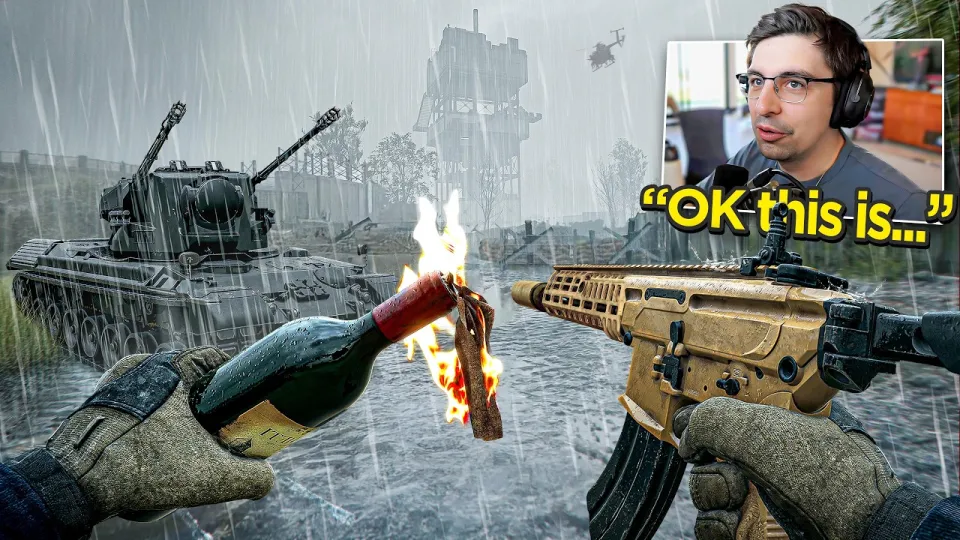
Video: Wardogs Is a Completely Different Game Now...
Want articles like this for your own video to promote it on YouTube and Google? Order them through the Telegram bot @sat_sit_bot. The bot writes and publishes the articles itself (with your YouTube video embedded) on popular topical websites (no ads). Free trial — 50 articles.
· based on the channel shroud
Key takeaways
- Wardogs Season 2 introduces dynamic rain that reduces visibility and alters combat pacing.
- Sniping is hit hardest: targets become hard to see even around 190 meters.
- Infrared goggles and HP ammo become more valuable in wet conditions.
- Squad communication and map awareness matter more when weather masks audio and visuals.
- Shroud's stream shows the rain forcing players into closer, more chaotic fights.
Wardogs is a completely different game now because Season 2 added dynamic rain that cuts visibility, weakens long-range sniping, and pushes fights into closer, more chaotic ranges. The weather isn't cosmetic: it changes how you spot enemies, how you use sound, and which weapons and optics pay off. You can catch the full session on Shroud's channel, and the show's audio version is available via the Spotify link.
How does the new rain change combat in Wardogs?
The rain in Wardogs Season 2 is a systemic modifier, not a visual filter. It reduces contrast at distance, muffles audio cues, and makes muzzle flashes and tracers less reliable as early warnings. In practice, fights that used to start at 150–200 meters now often begin inside 50–80 meters, where recoil control and hip-fire matter more than scoped precision. Players who rely on holding long angles find their usual spots much less effective, while aggressive players who push through cover and use the noise of the storm to mask their movement gain an edge. The rain also affects the helicopter windshield and other vehicle views, adding another layer of visual noise during rotations.
Why is sniping so much harder in the rain?
Sniping is the playstyle most damaged by the weather because the rain removes the clean sightlines that long-range rifles depend on. Even at roughly 190 meters, targets can blur into the background, and the usual glare or silhouette cues are gone. That doesn't make sniper rifles useless, but it shifts their role: they become tools for holding short-to-medium lanes or for finishing wounded targets rather than for controlling open ground. Players who still want to snipe should pair a scoped weapon with infrared optics and avoid exposing for long periods, since the storm makes it harder to spot incoming flankers. The broader effect is that the map feels larger and more dangerous, because the safe long-range angles players memorized are no longer safe.
Which gear and ammo types become stronger in wet weather?
Infrared goggles and HP ammo gain value in the rain because they compensate for the two things the storm takes away: visibility and reliable damage on armored targets. Infrared optics help cut through the reduced contrast, especially when scanning treelines and building exteriors. HP rounds reward shooters who can place shots on legs and unarmored areas, which is harder when targets are harder to see, but the payoff is higher against armored opponents. The stream also shows a common trap: players call out the need to shoot legs, then default to torso and head shots out of habit. If you're running HP ammo, practice leg targeting in close quarters so the ammo type actually does its job.
How should squads adapt their tactics to the storm?
Squads should treat the rain as a reason to tighten formations and shorten engagement distances. Because audio cues are less reliable, callouts need to be more specific: instead of "guy in the building," say which floor, which window, and whether he's holding an angle. The stream shows how quickly a squad can lose tempo when one player pushes a building alone while reloading or repacking mags instead of clearing the threat. A better pattern is to pair up before entering structures, use grenades to force movement, and keep one player watching the exterior while the other clears rooms. Rotations also need more time in the rain, since vehicle views are obscured and players are more likely to miss enemies holding near bridges and chokepoints. The storm doesn't reward passive play; it rewards coordinated, deliberate aggression.
What do viewers keep asking about the new Wardogs weather?
The most common viewer questions center on whether the rain is a temporary event or a permanent part of the season, and whether it unfairly punishes snipers. The rain appears as a dynamic condition in Season 2, so players should expect matches with and without it, and should build loadouts that work in both. On sniping, the consensus from the stream is that the rain doesn't remove sniper rifles from the game but changes their job: they become closer-range tools and finishers rather than open-field controllers. Another frequent question is about audio: the rain masks footsteps, so players ask whether to rely on sound or sight. The practical answer is to use both but trust sight more in open areas, and to use the storm's noise to mask your own pushes when you're the one moving.
What does Shroud's stream reveal about the new meta?
Shroud's session shows that the new weather rewards players who can stay calm when information is scarce. His squad repeatedly runs into situations where the rain hides enemy positions, and the fights that follow are decided by recoil control, quick target acquisition, and communication rather than by pre-aimed long angles. The stream also highlights how small decisions compound: stopping to repack magazines in the open, pushing a building without clearing the angle that just shot you, or defaulting to torso shots with HP ammo all turn into lost fights. At the same time, the rain creates opportunities for players who use the storm to close distance and force close-quarters fights where raw aim matters more than map knowledge. The takeaway is that Wardogs now has two distinct combat modes, dry and wet, and the best players are the ones who switch between them without hesitation.
Useful links
- Spotify show — audio version of the stream content.
- Logitech G — promo code shroud on Logitech products.
- Maingear — the PC build used by Shroud.
- Shroud on Twitter — updates and stream announcements.
- Shroud on Twitch — live gameplay.
Bottom line
The rain in Wardogs Season 2 is the biggest reason the game feels completely different now: it shrinks effective engagement ranges, weakens traditional sniping, and makes coordination and gear choices matter more than memorized angles. Shroud's stream is a useful case study because it shows both the frustration of lost visibility and the upside of using the storm to close distance. Players who adapt their loadouts, tighten their callouts, and practice close-range recoil control will find the new weather is an advantage rather than a handicap. For more sessions like this, follow Shroud's channel and check the audio show on Spotify.
Questions & answers
Is the rain in Wardogs Season 2 permanent or temporary?
The rain appears as a dynamic weather condition in Season 2, so matches can be wet or dry. Players should build loadouts that work in both conditions rather than relying on clear-weather sightlines. The stream shows that the rain changes engagement distances significantly, so flexibility matters more than a single optimized build.
Does the rain make sniping useless in Wardogs?
Sniping is much harder but not useless. Visibility drops enough that targets blur even around 190 meters, so sniper rifles shift from open-field control to holding shorter lanes and finishing wounded enemies. Pairing a scoped weapon with infrared optics and avoiding long exposures helps keep snipers relevant in wet matches.
Why do players keep failing with HP ammo in the rain?
HP ammo rewards leg shots against armored targets, but players often default to torso and head shots out of habit, especially when visibility is poor. The stream shows repeated cases where a player is told to shoot legs and still aims center mass. Practicing leg targeting in close-quarters fights makes HP ammo worth carrying in wet weather.
How does the rain affect squad communication in Wardogs?
Rain masks audio cues like footsteps and gunfire direction, so callouts need to be more specific and more frequent. Instead of vague warnings, squads should name the floor, window, and angle. The stream shows that pushing a building alone while reloading or repacking mags is a common way to lose a fight that better communication could have won.
Source: Wardogs Is a Completely Different Game Now... · Markdown version